How to Overcome Severe Anxiety Disorders
How to Overcome Severe Anxiety Disorders
Severe anxiety is not just feeling nervous or stressed. It is an all-consuming condition that can affect every single area of your life, from your ability to work and socialise to your sleep, your relationships and your sense of who you are. If you are living with severe anxiety, you already know that it is not something you can simply think your way out of. But here is what is important to understand: severe anxiety disorders can be resolved. With the right approach, delivered by the right people, lasting freedom from even severe, long
What Makes Anxiety "Severe"?
Anxiety exists on a spectrum. At the milder end, it might show up as occasional worry or nerves before an important event. At the severe end, it can take the form of debilitating panic attacks, agoraphobia, generalised anxiety disorder (GAD), health anxiety, OCD, social anxiety disorder or PTSD. In severe cases, anxiety can make it difficult or impossible to leave the house, hold down a job, maintain relationships or carry out everyday tasks that most people take for granted.
Severe anxiety is also often long-standing. Many people seeking help have been living with it for years, sometimes decades, and have already tried multiple treatments without finding lasting relief. If that describes you, it is not a reflection of your resilience or your willingness to get better. It is more likely a reflection of whether the treatment has genuinely matched the depth and complexity of what you are dealing with.
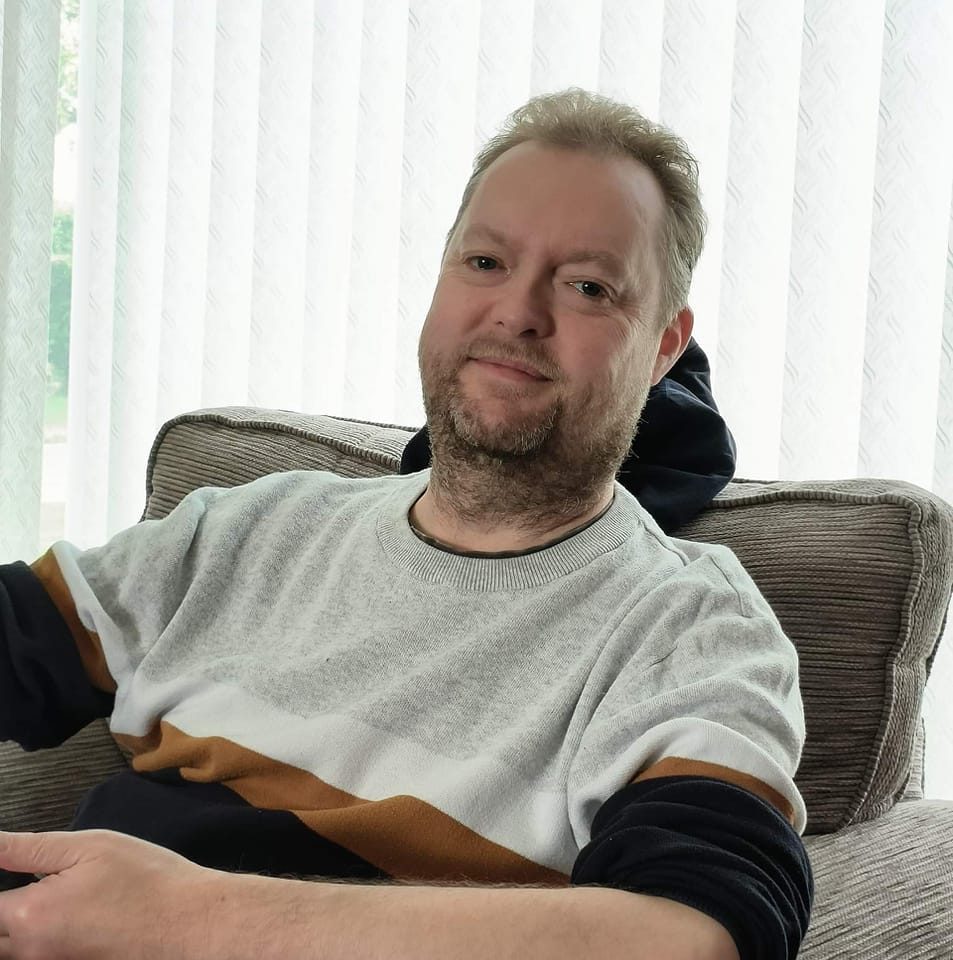
Watch how Rob overcame severe anxiety, panic attacks and trauma with our help.
Why Severe Anxiety Requires Specialist Expertise
There is an important distinction between seeing a generalist therapist and consulting a specialist anxiety clinic with deep, multi-disciplinary expertise. For mild to moderate anxiety, a generalist approach may be sufficient. For severe, complex or long-standing anxiety, it rarely is.
Here is why that distinction matters in practice.
Severe Anxiety Has Deeper Roots
Severe anxiety is rarely just a thinking problem. It is typically rooted in subconscious patterns, often formed in childhood or during significant life events, that operate below the level of conscious thought. A therapist trained primarily in conscious, cognitive approaches such as CBT or standard counselling is working at the surface level. They may help you understand and manage your anxiety. They are much less likely to resolve it at its root.
Resolving severe anxiety at its root requires a practitioner who can work at the subconscious level, with the skill, experience and range of tools to navigate complex emotional histories safely and effectively.
Therapeutic Competence Predicts Outcomes
A study published in PMC (2025), examining the practice of CBT therapists, found that therapist competence, rather than strict adherence to technique, predicts client improvement in anxiety treatment settings. Competence, in this context, means the ability to read what a client needs, adapt in real time, and bring genuine clinical depth to the room. That kind of competence is earned through years of practice with complex cases, not through training alone.
The same research noted that competence declines without ongoing supervision, training and professional development. Choosing a clinic with a structured, professionally developed team, rather than an individual newly qualified therapist, provides a significant safeguard for clients with severe conditions.
Experience With Complex Cases Changes Everything
An experienced anxiety specialist has seen hundreds, often thousands, of severe anxiety presentations. They have worked with the full spectrum of how anxiety can manifest, including cases that have defeated multiple previous treatments. That depth of pattern recognition, clinical intuition and practical skill is not something that can be acquired quickly. It is the product of time, volume and genuine dedication to the field.
For someone dealing with severe anxiety, the difference between working with an experienced specialist and a newly qualified generalist therapist can be the difference between years of incremental progress and genuine, lasting resolution.
Why Traditional Approaches Often Fall Short for Severe Anxiety
CBT and standard talking therapies have value, but for severe anxiety disorders, they have well-documented limitations.
CBT works at the conscious, cognitive level. It can help clients understand why they feel anxious and develop strategies to manage anxiety when it arises. For many people with mild to moderate anxiety, that is enough. For severe anxiety, particularly where the roots are deep or trauma-related, managing anxiety is not the same as resolving it. Clients can spend years in CBT learning to cope with anxiety they still fundamentally have, rather than getting to the point where the anxiety itself is gone.
Counselling and talking therapy have similar limitations for severe cases. They can be profoundly supportive and help clients process difficult experiences. But again, understanding your anxiety and being free of it are not the same outcome.
The research reflects this. A meta-analysis published in the International Journal of Clinical and Experimental Hypnosis reviewed 15 studies involving 17 clinical trials comparing hypnosis with control treatments for anxiety reduction. It found a strong effect size of 0.79 at the end of treatment, meaning individuals who received hypnosis reduced their anxiety more than around 79% of those in control groups. Crucially, at longer follow-up periods, the effect size increased to 0.99, suggesting that the improvements were not just sustained but continued to grow over time. This is a fundamentally different outcome profile to what conventional therapies typically achieve with severe anxiety.
The Approach That Works for Severe Anxiety: Clinical Hypnotherapy, NLP and Nutritional Coaching
At Newcastle Hypnotherapy, severe anxiety is treated using a three-pillar approach that addresses the condition at every level simultaneously: subconscious, cognitive and physiological.
Pillar One: Clinical Hypnotherapy
For severe anxiety, Clinical Hypnotherapy is particularly powerful because it works directly with the subconscious mind, the level at which severe anxiety patterns are most deeply embedded. By accessing and rewriting those patterns in a focused, therapeutic context, hypnotherapy can achieve in a handful of sessions what years of conscious-level work often cannot.
The landmark Kirsch, Montgomery and Sapirstein meta-analysis, published in the Journal of Consulting and Clinical Psychology (1995), found that clients receiving hypnotherapy as part of their treatment showed greater improvement than at least 70% of those receiving CBT alone, with some analyses putting that figure at up to 90%. For people with severe anxiety who have already tried conventional approaches, these figures are significant.
A systematic review published in Frontiers in Psychology (2024) confirmed that hypnotherapy has demonstrated efficacy across a wide range of anxiety and mood disorders, with clinical trials reporting no serious adverse events, making it not just effective but exceptionally safe.
A pilot study published in Frontiers in Psychology (2023) specifically investigated hypnotherapy for agoraphobia, one of the most severe and debilitating anxiety presentations, and found it to be a viable and effective treatment option, opening important new possibilities for people whose severe anxiety has previously been considered particularly difficult to treat.
Pillar Two: NLP (Neuro-Linguistic Programming)
For severe anxiety, NLP provides fast-acting tools that complement the deeper subconscious work of hypnotherapy. Techniques such as anchoring, timeline work and reframing can help clients rapidly change how they relate to anxiety triggers, often producing noticeable shifts within a single session. For someone whose anxiety has been severe and long-standing, experiencing real change quickly is not just therapeutic, it is genuinely transformative for confidence and motivation.
A systematic literature review published in World Scientific News (Nompo and Pragholapati, 2021), drawing on research from PubMed, ScienceDirect and ProQuest, concluded that NLP can reduce anxiety and promote lasting changes in behaviour patterns. A peer-reviewed study using the Liebowitz Social Anxiety Scale found statistically significant reductions in social anxiety following NLP-based intervention.
Pillar Three: Nutritional Coaching
Severe anxiety is not just a psychological condition. It has a significant physiological dimension. The gut-brain axis, which describes the two-way relationship between the digestive system and the brain, plays a central role in how anxiety is regulated and experienced. For many people with severe anxiety, what they eat is actively making their condition worse, without them realising it.
Research published on PubMed by Norwitz and Naidoo (Oxford University and Harvard Medical School, 2021) made the case that nutritional interventions targeting the microbiome and inflammation represent a high-yield, under-used approach to anxiety treatment. A 2024 review in Frontiers in Nutrition (University of Surrey) found that pro-inflammatory diets high in sugar and processed food can heighten anxiety and cause neurochemical changes, while antioxidant-rich diets can reduce anxiety measurably.
Addressing nutrition as part of a structured anxiety treatment programme removes a significant physiological barrier that conventional therapy entirely ignores.
Why Severe Anxiety Responds So Well to This Approach
The reason Newcastle Hypnotherapy achieves results with severe anxiety disorders, including cases that have not responded to years of previous treatment, comes down to three things:
Depth of intervention. The three-pillar approach reaches anxiety at every level simultaneously, subconscious patterns, behavioural responses and physiological triggers, rather than addressing just one layer while the others remain untouched.
Speed of change. For someone with severe anxiety, experiencing meaningful change quickly is critical. The subconscious-level work of hypnotherapy and NLP typically produces noticeable shifts within the first one or two sessions, which builds momentum and confidence throughout the programme.
The expertise behind the approach. Newcastle Hypnotherapy is not a generalist practice offering a broad menu of services. It is a dedicated anxiety clinic, with over a decade of specialist experience, an award-winning multi-therapist team and a clinical depth that comes only from years of working exclusively and intensively with anxiety disorders at every level of severity.
Choosing the Right Clinic for Severe Anxiety: What to Look For
If you are dealing with severe anxiety, choosing where to seek help is one of the most important decisions you will make. Here is what genuinely matters.
Specialist Focus, Not a Generalist Practice
Anxiety is a specific, complex condition. A therapist or clinic that treats everything from relationship issues to weight loss to phobias as equal specialisms is, by definition, a generalist. For severe anxiety, you want a specialist: a clinic whose primary focus is anxiety, whose team has built deep expertise in anxiety specifically, and whose treatment approach has been refined through years of working with complex anxiety presentations.
A Track Record You Can Verify
Reviews, awards and years in practice are not vanity metrics. For someone with severe anxiety, they are important evidence that a clinic can actually deliver results. Look for independent, verified reviews in volume, not a handful of testimonials on the clinic's own website. Look for professional recognition that has been assessed independently, not self-nominated. Look for a clinic that has been operating long enough to have genuine depth of experience with complex cases.
A Multi-Therapist Team
A single therapist, however skilled, has one perspective and one set of tools. A multi-therapist team brings collective clinical experience that can be applied to the most complex presentations. It also provides continuity and flexibility that a solo practitioner cannot offer.
A Multi-Modal Approach
Severe anxiety rarely responds to a single therapeutic technique. The most effective clinics combine multiple evidence-based modalities, addressing the condition from several angles simultaneously. A clinic offering only one approach is unlikely to achieve the depth of change that severe anxiety requires.
Newcastle Hypnotherapy: Built for Severe Anxiety
Every element of Newcastle Hypnotherapy's approach has been shaped by over a decade of working with severe, complex and long-standing anxiety disorders. Here is what sets it apart.
100+ Five-Star Google Reviews
With over 95 verified five-star Google reviews, Newcastle Hypnotherapy has an independently verified record of delivering real, lasting results. Many of those reviews come specifically from clients who had tried multiple other treatments before finding Newcastle Hypnotherapy, including years of CBT and counselling, and who describe the experience as genuinely life-changing.
7 Consecutive Professional Awards
Seven consecutive years of professional recognition represents an extraordinary and sustained level of independent verification. These are not self-nominated awards. They reflect rigorous, external assessment of clinical quality, client outcomes and professional standards, applied year after year.
10+ Years of Specialist Experience
Over a decade of specialist practice means the Newcastle Hypnotherapy team has worked with thousands of clients across the full spectrum of anxiety presentations, from mild situational anxiety to the most severe and complex cases. That depth of experience is irreplaceable when it comes to navigating the unique complexity that severe anxiety often presents.
An Award-Winning Multi-Therapist Team
Newcastle Hypnotherapy is not a single practitioner. It is an award-winning team of therapists, each highly qualified across Clinical Hypnotherapy, NLP, EFT, counselling and nutritional coaching. For clients with severe anxiety, the collective expertise of a specialist multi-therapist team provides a level of clinical depth and adaptability that no individual therapist can match.
Rated #1 in Newcastle
Independently listed as the number one hypnotherapy clinic in Newcastle upon Tyne by ThreeBestRated.co.uk, assessed across a rigorous 50-point inspection covering history, reviews, standards, satisfaction, trust and pricing.
Results in 4 to 6 Weeks for Most Clients
Even for clients with severe, long-standing anxiety, the typical experience at Newcastle Hypnotherapy is meaningful, lasting change within 4 to 6 weeks. That is not a promise that every case is identical. It is the reality for most clients, including many who had spent years in other forms of therapy without resolution.
You Do Not Have to Keep Living With Severe Anxiety
Severe anxiety can feel permanent. When you have been living with it for years, it can be hard to imagine a life without it. But the evidence, and the consistent experience of clients at Newcastle Hypnotherapy, tells a different story. Severe anxiety disorders can be resolved. The right approach, delivered by the right people, changes everything.
The first step is simply a conversation.
Book your free, no-obligation assessment call here
Or download the Free Anxiety Relief Pack straight away, including a professional hypnosis audio, breathing exercise guide and practical eBook, all completely free.
Download your Free Anxiety Relief Pack here
To find out more about how the anxiety treatment programme works:
Explore anxiety treatment at Newcastle Hypnotherapy
Newcastle Hypnotherapy is based at Dobson House, Regent Farm Road, Gosforth, Newcastle Upon Tyne, NE3 3PF. Online sessions available UK-wide.
References
Kirsch, I., Montgomery, G., and Sapirstein, G. (1995). Hypnosis as an adjunct to cognitive-behavioral psychotherapy: a meta-analysis. Journal of Consulting and Clinical Psychology, 63(2), 214-220.
Ramondo, N., et al. (2021). Clinical Hypnosis as an Adjunct to Cognitive Behavior Therapy: An Updated Meta-Analysis. International Journal of Clinical and Experimental Hypnosis.
International Journal of Clinical and Experimental Hypnosis. Meta-analysis of hypnosis for anxiety: effect size 0.79 at end of treatment, rising to 0.99 at follow-up. Reviewed in Lane/Stanford Blog, 2024.
Frontiers in Psychology (2024). The role of hypnosis in reducing anxiety. DOI: 10.3389/fpsyg.2024.1411835.
Frontiers in Psychology (2023). Hypnotherapy for agoraphobia: feasibility and efficacy pilot study. DOI: 10.3389/fpsyg.2023.1213792.
Brown, L.A., et al. (2013). Therapist competence predicts client improvement in anxiety treatment settings. Cited in: PMC (2025). From Doubt to Development: Professional Journeys of Novice CBT Therapists.
Nompo, R.S. and Pragholapati, A. (2021). Effect of Neuro-Linguistic Programming (NLP) on Anxiety: A Systematic Literature Review. World Scientific News.
Norwitz, N.G. and Naidoo, U. (2021). Nutrition as Metabolic Treatment for Anxiety. Frontiers in Psychiatry. DOI: 10.3389/fpsyt.2021.598119.
Basso, M., et al. (2024). Diet quality and anxiety: a critical overview with focus on the gut microbiome. Frontiers in Nutrition, 11. DOI: 10.3389/fnut.2024.1346483.