High-Functioning Anxiety in Newcastle Professionals And Why It's So Hard To Ask For Help
You're good at your job. Probably very good.
You meet deadlines, manage people, and make decisions under pressure. From the outside, everything looks fine. More than fine, actually. You look like someone who has it together.
But late at night, when the house is quiet, and there's nothing left to distract you, a different version of the story plays out.
The thoughts that won't stop. The chest that feels tight for no obvious reason. The sleep that doesn't come, or does come but brings panic with it. The sense that at some point, something is going to give.
If that sounds familiar, this post is for you.
Learn more about our award-winning anxiety treatment in Newcastle & online.
What High-Functioning Anxiety Actually Looks Like
When most people picture anxiety, they imagine someone unable to leave the house. Someone visibly struggling. Someone who clearly needs help.
But that's not how anxiety shows up for most professionals.
High-functioning anxiety is quieter than that. And in many ways, it's harder to spot, because from the outside it can look a lot like success.
It looks like being the first one in and the last one to leave. Over-preparing for every meeting because the alternative feels unbearable. Saying yes to things you don't have the capacity for because saying no creates too much discomfort. Replaying conversations for hours afterwards, looking for what you did wrong.
It's lying awake at 3 am, running through tomorrow's to-do list. It's the irritability that creeps in at home because you've spent all day holding yourself together at work. It's the glass of wine that's become two, because it's the only thing that reliably turns the volume down.
And because you're still functioning, still performing, still showing up, it's easy to tell yourself that it's fine. That everyone feels like this. That this is just what modern life looks like.
It isn't. And you don't have to keep living this way.
Why Professionals Find It So Hard To Ask For Help
This is the part that doesn't get talked about enough.
For most professionals, asking for help is the hardest part. Not finding a therapist. Not making the time. The hardest part is admitting that you need one.
There's an identity problem at the heart of it. You are someone who solves problems. You handle things. You support other people. The idea of sitting in a therapist's office and saying "I'm not coping" can feel like a fundamental contradiction of who you are.
There are also very real practical concerns. Confidentiality matters when you work in a senior role or a regulated profession. You might worry about what it would mean if anyone found out. You might wonder whether a therapist who hasn't worked in your world can really understand the pressures of it.
And then there's the time issue. Traditional therapy asks for a significant commitment, often weekly sessions stretching across many months, with progress that can feel slow and hard to measure. For someone whose entire professional life is built around results and efficiency, that model can feel deeply unappealing.
So you put it off. You manage. You cope.
Until coping stops being enough.
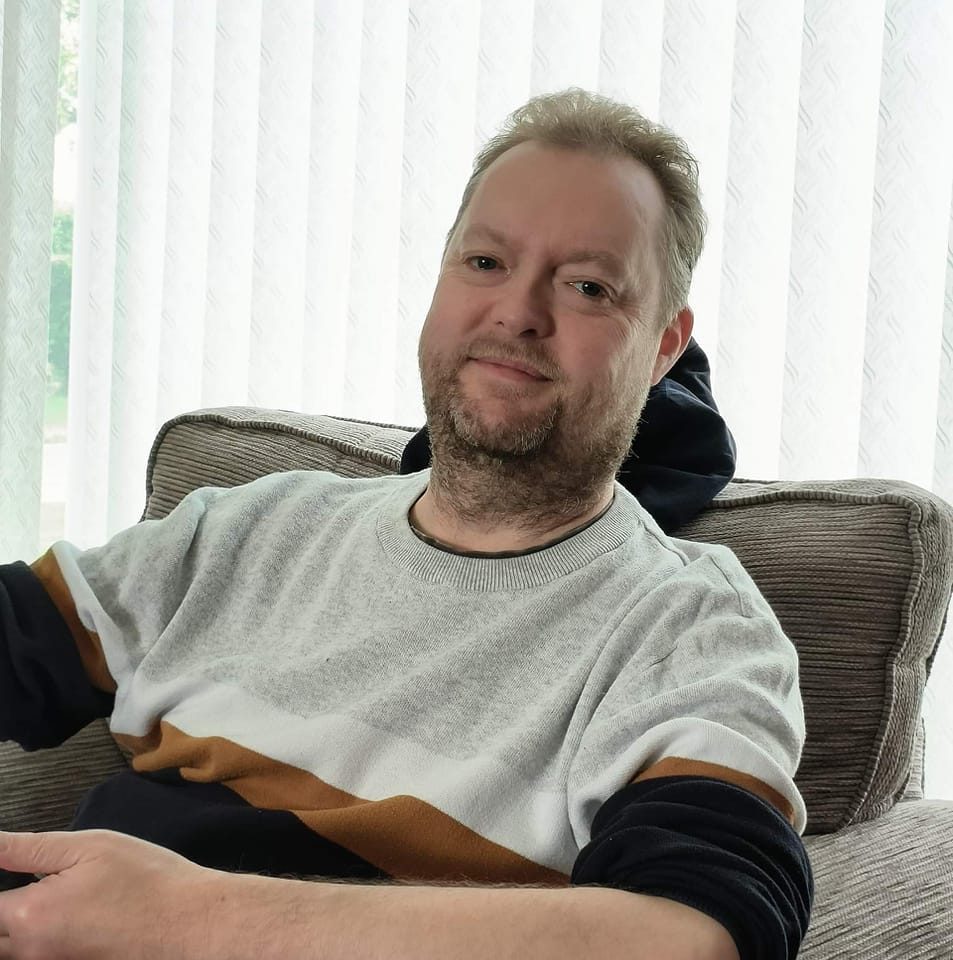
Rob's Story
Rob is a professional who came to us after a string of traumatic events spanning almost a decade. By the time he reached out, he was dealing with low moods, grief and anger that were manifesting as acute panic attacks in the night, leaving him unable to breathe. He was experiencing three to four panic attacks every week.
In his own words:
"I reached out to Mark and felt at ease immediately. After an initial fact-finding call, we have not dwelt on the past but instead taken positive action towards the future. This was exactly what I needed, as the source of the trauma could not be changed, so revisiting it over and over again was not helpful. What I was looking for was a way to move forward positively, which is exactly what Mark has provided."
Rob completed a combination of face-to-face and online sessions. By the end of his programme, he had not had a single panic attack in almost a month. He described feeling significantly better both mentally and physically. Two of his closest friends told him he seemed like a completely different person.
On the way to his final session, he signed up to run a half-marathon.
"I am feeling optimistic about the future. I know there will be bad days, but I feel like I have the tools to deal with those now."
Rob's story is not unusual. It is, in fact, exactly what we see again and again when professionals finally take the step of reaching out.
Why Traditional Therapy Often Falls Short For Professionals
If you've tried counselling or CBT before and found it frustrating, you're not alone.
Traditional talking therapies are built around a particular model: explore the past, understand the patterns, and learn to manage the feelings. For some people, that works well. For many professionals, it doesn't, and there's a straightforward reason why.
You are already highly self-aware. You can analyse your anxiety in great detail. You know where it comes from, you understand the triggers, and you can explain the patterns clearly. And yet it carries on anyway.
That's because anxiety doesn't live in the conscious, analytical mind. It lives in the subconscious, in the automatic responses and deeply embedded patterns that fire before your rational brain has even had a chance to respond. Talking about it only reaches so far.
Rob put it perfectly: revisiting the source of his trauma over and over again wasn't helpful, because the source couldn't be changed. What he needed was a way to move forward. That's a solution-focused, results-oriented way of thinking. It's exactly how most professionals approach problems in every other area of their lives.
It's also exactly how we work.
What We Do Differently
At Newcastle Hypnotherapy, we don't ask you to spend months revisiting what can't be changed.
We use a powerful combination of clinical hypnotherapy, advanced NLP, modern neuroscience-backed techniques and nutritional therapy to work directly with the subconscious patterns driving your anxiety. Not to help you manage them better. To eliminate them.
Sessions are available in person at our Gosforth clinic, conveniently located next to Regent Centre Metro, or online via secure video to fit around your schedule. Everything is completely confidential.
Most of our professional clients see significant, measurable change within the first two to three sessions. A full programme typically takes four to six weeks.
Not months. Not years. Weeks.
If you'd like to understand more about our approach to anxiety treatment, you can read more here: Anxiety Treatment Newcastle
A Free Resource To Get You Started
If you're not quite ready to book a call but want to start feeling better today, download our free Anxiety Relief Pack. Created by our award-winning therapists, it includes a powerful hypnotic audio track, breathing techniques for instant relief, and proven strategies from over a decade of helping people overcome anxiety in Newcastle and beyond.
Download Your Free Anxiety Relief Pack
Ready To Talk?
If Rob's story resonated with you, or if you've been reading this and quietly recognising yourself in it, the best next step is a free 20-minute anxiety assessment call.
No pressure. No commitment. Just an honest conversation about what you're going through and whether we can help.
Most people tell us they wish they'd called sooner.
Book Your Free Anxiety Assessment Call
Your Next Anxiety Therapy Articles:
How Long Does Anxiety Therapy Take in Newcastle?
Can Newcastle Hypnotherapy Help Social Anxiety? A 10 Year Track Record Says Yes