How to Get Rid of Severe Anxiety: Why a Specialist Gets Results in Weeks, Not Months
If you are struggling with severe anxiety, you have probably already tried to push through it, researched countless self-help tips, or sat through months of therapy with limited results. You are not alone, and more importantly, you are not stuck.
Severe anxiety is one of the most common issues we treat at Newcastle Hypnotherapy. Over the past ten years, our award-winning team of Clinical Hypnotherapists and Master NLP Practitioners have helped thousands of people overcome anxiety disorders and take back control of their lives. We are rated as the best anxiety specialists in the Newcastle area, and in this article we are going to explain why severe anxiety needs a specialist approach, what makes our method different, and how clients like Chris went from years of failed therapy to being anxiety-free in just five weeks.
What is Severe Anxiety and How Do You Know You Have It?
Most people experience anxiety at some point. A job interview, a difficult conversation, a health scare. But severe anxiety is different. It does not stay in the background. It begins to take over.
Signs that anxiety has become severe include:
Persistent worry or fear that is difficult to switch off
Panic attacks
Avoiding situations, people, or places that trigger anxiety
Difficulty sleeping
Physical symptoms including IBS, digestive issues, or unexplained physical pain
Low confidence and self-doubt that affects work and relationships
Difficulty concentrating or making decisions
A sense that things are getting worse over time, not better
If several of these resonate with you, it is time to stop managing anxiety and start resolving it.
Why Severe Anxiety Gets Worse Over Time
Anxiety is not simply a bad habit or a character flaw. It is an unconscious looped pattern in the brain. The mind has learned to fire the anxiety response repeatedly, even when there is no real threat present. And like any pattern, the longer it runs, the stronger it becomes.
This is why so many people find that anxiety slowly creeps into more areas of their life. What started as nerves in one situation becomes a constant background noise that affects work, sleep, relationships, and physical health.
Without the right treatment, anxiety can escalate. It can develop into panic disorder, social anxiety, health anxiety, generalised anxiety disorder (GAD), or even PTSD, which requires significantly more intensive work to resolve. Panic attacks, in particular, are a clear signal that anxiety levels have risen too high and need addressing urgently.
The physical impact is real too. Sustained high anxiety raises cortisol levels, disrupts the gut microbiome, contributes to IBS and digestive problems, raises blood pressure, and depletes key vitamins and minerals the body needs to regulate mood and the nervous system. In the most severe cases, the only option left becomes heavy medication with unpleasant side effects.
The single most important thing you can do is seek specialist help early.
Why CBT and Talking Therapy Often Fall Short for Severe Anxiety
CBT (cognitive behavioural therapy) and talking therapies are widely recommended for anxiety, and they do help many people with mild to moderate symptoms. But for severe anxiety, they frequently produce limited or temporary results. Here is why.
Both CBT and talking therapy work at a conscious level. They encourage you to identify anxious thoughts, challenge them rationally, and talk through past experiences. This can be useful for building understanding. But it does not change the unconscious pattern that is driving the anxiety.
The anxiety loop lives below conscious awareness. You can understand exactly why you feel anxious and still feel anxious. Revisiting the problem does not rewire it.
Many of our clients have previously completed two or three rounds of CBT. They found it helpful at first, but within a few weeks the anxiety returned. Some arrived having spent one to two years in talking therapy with little lasting change.
This is not a failure on their part. It is simply the wrong tool for the job.
Why Severe Anxiety Needs a Specialist, Not a Generalist
A generalist therapist may work with dozens of different presenting issues: depression, relationship problems, grief, addiction, and anxiety. They bring a broad toolkit. But for severe anxiety, you need someone who works at the level where anxiety actually lives, which is the unconscious mind.
Our team at Newcastle Hypnotherapy specialise exclusively in anxiety and related conditions. We are qualified Clinical Hypnotherapists and Master NLP Practitioners with over a decade of dedicated experience. We are rated the best anxiety specialists in the Newcastle area and have received several awards for our results with clients.
Working with an anxiety specialist rather than a generalist typically reduces treatment time from several months to just five or six weeks. That is not only faster. It means less time suffering, less time off work, and less disruption to the people and things that matter to you most.
How NLP and Hypnotherapy Resolve Severe Anxiety
NLP (neuro-linguistic programming) and clinical hypnotherapy both work at the unconscious level, which is exactly where the anxiety pattern is stored and maintained.
Rather than revisiting the problem over and over, we identify how the anxiety pattern is structured within the brain and interrupt it at source. We then help the brain build new, calmer responses, regulate the nervous system, and develop your ability to recognise, slow, and stop anxiety before it escalates.
One of the key techniques we use is The Scan and Act Technique. This teaches clients to catch anxiety earlier in the cycle, step in quickly, and move into a calm, confident state instead. Once learned, this skill stays with you for life.
We also look at the full picture because anxiety is rarely only in the mind. Stress levels, sleep, diet, gut health, and lifestyle all contribute. Our approach accounts for all of these factors and addresses them as part of your recovery.
Case Study: How Chris Went from Three Years of Therapy to Anxiety-Free in Five Weeks
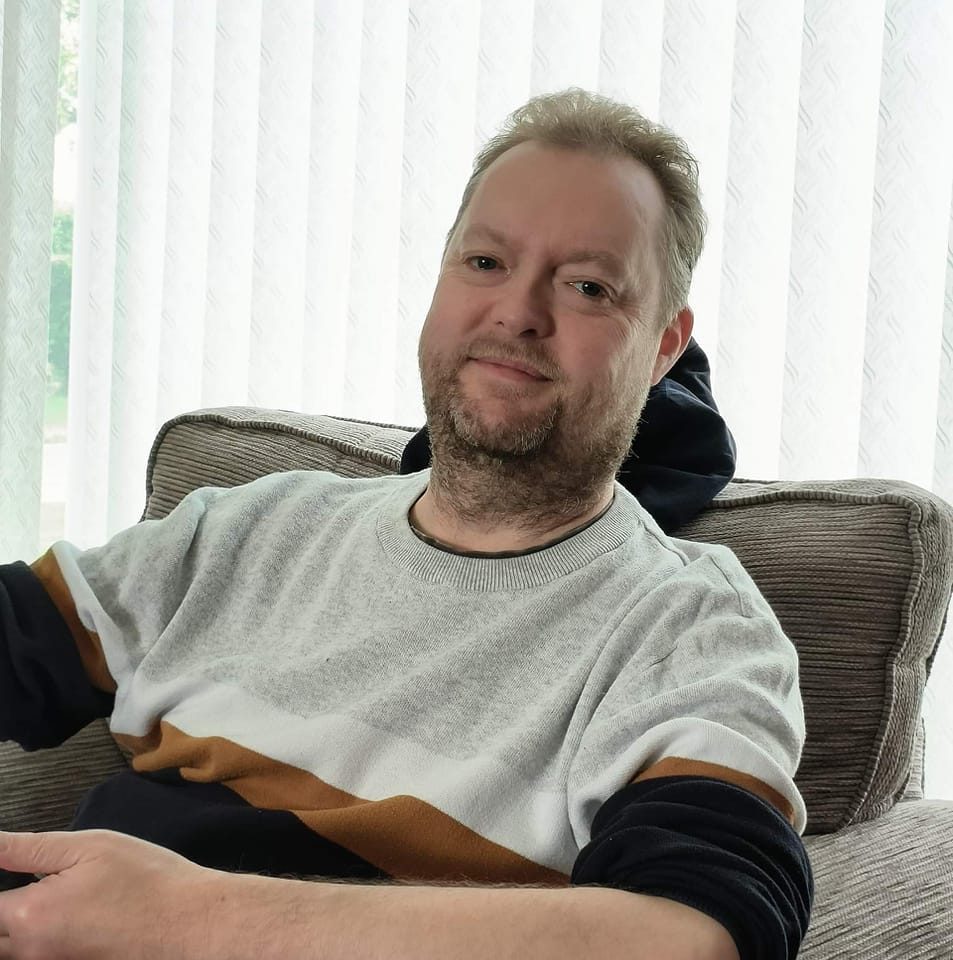
Chris came to us after three years of CBT and talking therapy. As a sales manager, the pressure at work had steadily increased and his anxiety had grown alongside it. By the time he found us, anxiety was costing him days off work, damaging his confidence in front of his team and during presentations, disrupting his sleep, and triggering IBS symptoms.
A health review revealed that his gut microbiome was in poor condition and several key vitamins and minerals were significantly low. He was also approaching burnout and had stopped looking after himself properly.
His programme with us included:
Bringing his stress levels down through targeted techniques
Improving his diet and addressing his nutritional deficiencies
Building in genuine time for self-care and recovery
Learning to recognise anxiety earlier in the cycle before it built up
Using The Scan and Act Technique to slow and stop the anxiety response
Stepping into a calm, confident state that he could access on demand
Within two weeks, Chris experienced a reduction in symptoms of over 50%. By week five, he was anxiety-free, more confident in front of his team than he had ever been, and performing better at work than before the anxiety had taken hold.
Three years of therapy had not achieved what five weeks with the right specialist could.
The Anxiety Conditions We Specialise In
Our team works with all anxiety types, including:
Generalised Anxiety Disorder (GAD): persistent, wide-ranging anxiety that affects multiple areas of life
Social Anxiety: fear of social situations, judgement, or embarrassment
Health Anxiety: persistent and intrusive worry about illness or physical symptoms
Panic Attacks: a signal that anxiety levels have risen to a critical point and need urgent attention
PTSD and trauma-related anxiety: complex presentations that require specialist, trauma-informed care
Anxiety also commonly shows up in the body in ways people do not always connect to anxiety. IBS, sleep problems, high blood pressure, and chronic fatigue can all be driven or worsened by unresolved anxiety. If you have been experiencing unexplained physical symptoms alongside worry or stress, anxiety may be a significant contributing factor.
Anxiety is Nothing to Be Ashamed Of
One of the biggest barriers to getting help is embarrassment. People tell themselves they should be able to cope, that others have it worse, or that they just need to push through.
But anxiety is not a weakness. The brain has simply learned a looped pattern, and this can happen to anyone, regardless of how strong, capable, or successful they are. Chris is a perfect example: a high-performing sales manager brought low by a pattern his mind had learned without his permission or awareness.
Seeking specialist help is not a sign of weakness. It is the most practical and effective decision you can make.
And here is the other side of that decision. Clients who resolve their anxiety do not simply return to where they were before. They go further. With anxiety no longer in the way, people consistently report greater confidence, improved performance at work, stronger relationships, better income, and a significantly improved quality of life overall.
Take the First Step Today
If you are ready to stop managing anxiety and start resolving it, we are here to help.
Begin by downloading our Free Anxiety Relief Pack. It includes practical tools and techniques you can start using immediately to bring anxiety levels down while you explore your options.
When you are ready to work with our specialist team, visit our Anxiety Treatment page to find out more about how we work and to get in touch.
You can also read our recent article here for further insight into how anxiety develops and what specialist treatment looks like in practice.
Severe anxiety responds very well to the right treatment. You do not have to keep trying approaches that are not working. Speak to a specialist and find out how quickly things can change.