Can't Sleep Because of Anxiety? Here's What's Actually Helping People in Newcastle
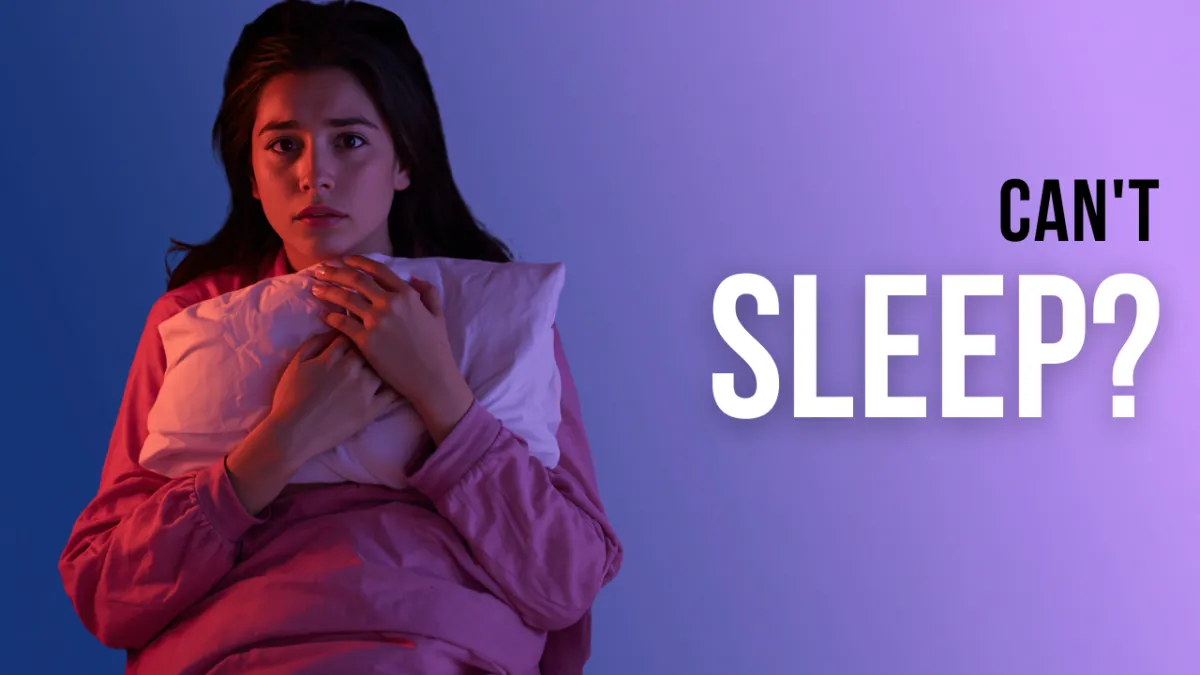
It's 2 am. You're lying in the dark, staring at the ceiling, and your mind is running through tomorrow's meeting, last week's conversation, and about fourteen things you really should have done differently. Sound familiar?
For a lot of professionals in their 30s, 40s and 50s, this is just... Tuesday. The demands of modern working life are relentless, and anxiety has a nasty habit of saving its loudest moments for the exact second your head hits the pillow. You're exhausted, but your brain hasn't got the memo.
The good news? There's a lot you can do about it. And no, it doesn't involve downloading another app or forcing yourself to meditate for an hour. Let's talk about what genuinely works, starting with what you eat and ending with how you think.
Ready to resolve your anxiety and sleep problems in Newcastle?
Why Anxiety and Poor Sleep Are Such a Difficult Combination
Anxiety and sleep problems don't just coincide; they actively make each other worse. When you're anxious, your body produces cortisol and adrenaline, the classic stress hormones that keep you alert and ready to respond to a threat. Great if you're running from something. Not so helpful when the "threat" is your inbox.
These hormones suppress melatonin, the chemical your body needs to wind down and drift off. Meanwhile, a bad night's sleep makes you more reactive, more emotionally sensitive, and more likely to catastrophise the next day. Which, of course, leads to more anxiety. It's a loop, and breaking it requires working on both sides at once.
The Foods That Support Sleep and Calm Your Nervous System
Most people don't realise how much diet affects both anxiety and sleep quality. A few small changes can make a surprisingly big difference.
Magnesium-rich foods are worth starting with. Magnesium is sometimes called nature's relaxant, and most of us don't get nearly enough of it. Spinach, pumpkin seeds, dark chocolate (the good stuff, 70% or above), and almonds are all brilliant sources. A small handful of almonds before bed is a genuinely useful habit.
Tryptophan is another one to know about. It's an amino acid that helps your body produce serotonin and melatonin, both of which are essential for mood and sleep. You'll find it in turkey, eggs, oats, and bananas. A small bowl of porridge in the evening is less boring than it sounds when you know what it's actually doing.
On the flip side, it's worth being honest about caffeine. It has a half-life of around five to six hours, which means a coffee at 3pm is still doing its work at 9pm. Alcohol is another one that feels like it helps sleep but actually fragments it, leaving you waking up in the small hours feeling worse than before.
A hidden gem is the kiwi fruit. Dr Michael Greger of Nutrition Facts states studies show 2 ripe kiwi fruit about 2 hours before going to bed really helps to improve our sleep.
Dr Joe Esposito has been stating for years that mashed & baked potatoes, cherries and bananas also improve our sleep quality.
Fast-acting Newcastle anxiety and sleep relief can be found here.
Practical Techniques That Actually Work for Anxious Minds at Bedtime
If you've ever been told to "just relax" before bed, you'll know how spectacularly unhelpful that advice is. Here are some things that actually work.
Progressive muscle relaxation is one of the most underrated techniques out there. You start at your feet and slowly tense, then release, each muscle group up through your body. It sounds too simple, but it works by giving your nervous system a physical signal that it's safe to let go. Many people are asleep before they even reach their shoulders.
The 4-7-8 breathing method is another one worth trying. Inhale for four counts, hold for seven, exhale slowly for eight. The extended exhale activates your parasympathetic nervous system, which is essentially your body's built-in off switch.
"Cognitive shuffle" is a newer technique that's gaining real attention. Rather than trying to clear your mind (almost impossible when you're anxious), you intentionally think of completely random, unconnected images, a yellow umbrella, a horse eating spaghetti, a cloud shaped like a shoe. It sounds bizarre, but it mimics the kind of loose, associative thinking your brain does just before sleep, and can actually help ease you into it.
Writing a worry list before bed is also worth doing. Getting anxious thoughts out of your head and onto paper tells your brain it doesn't need to keep holding onto them. Even five minutes of this before you switch off the light can genuinely change how quickly you fall asleep.
How Hypnotherapy Can Help When Nothing Else Has
All of the above is useful, but sometimes anxiety has deeper roots. If you've been lying awake for months or years, if the worry feels out of proportion to what's actually happening, or if you've tried all the conventional advice and it hasn't stuck, that's usually a sign that something needs to shift at a deeper level.
This is where hypnotherapy comes in. At Newcastle Hypnotherapy, we work with a lot of professionals who are functioning well on the outside but running on empty on the inside. Sleep problems, persistent anxiety, that constant low-level dread that follows you around, these aren't character flaws or signs of weakness. They're patterns the mind has learned, and patterns can be changed.
Hypnotherapy works directly with the subconscious, helping to interrupt the thought loops and stress responses that are keeping you awake. Most clients notice a meaningful shift within a handful of sessions, and many say it's the first thing that's actually worked after years of trying other approaches.
Frequently Asked Questions
Can anxiety really cause insomnia, or is it the other way round?
Both. Anxiety raises cortisol and adrenaline levels, which directly interfere with melatonin production and make it harder to switch off. But poor sleep also increases anxiety the following day by reducing your emotional resilience and making your brain more reactive to perceived threats. It's a two-way relationship, which is why it helps to address both at the same time.
What foods should I avoid if anxiety is affecting my sleep?
Caffeine is the main one to watch, and the cut-off point is earlier than most people think. Try stopping after midday and see if it makes a difference. Alcohol is worth being honest about too, it may help you fall asleep but it significantly disrupts the quality of sleep later in the night. High-sugar foods in the evening can also cause blood sugar spikes and drops that interrupt sleep.
How quickly does hypnotherapy work for sleep and anxiety?
Most people notice some shift quite quickly, often after the first session or two. For longer-standing patterns of anxiety or insomnia, a course of around four to six sessions tends to produce the most lasting results. At Newcastle Hypnotherapy, we always start with a free assessment call so you can ask questions and get a feel for the approach before committing to anything.
Ready to Finally Get a Good Night's Sleep?
If anxiety is keeping you awake and you're tired of feeling like you're just about coping, we'd love to talk. Newcastle Hypnotherapy has been helping professionals just like you for over ten years, with more than 90 five-star Google reviews and seven consecutive Three Best Rated awards to show for it.
The first step is a free, no-obligation assessment call where we'll have a proper conversation about what's going on and whether hypnotherapy might be the right fit for you. No pressure, no hard sell, just a genuinely useful conversation.
Book your free anxiety assessment call today, and let's talk about getting you back to sleeping and feeling like yourself again.
https://www.newcastle-hypnotherapy.com/anxiety-treatment-newcastle